Sangeet, Mehndi and Jago Explained
The pre-wedding nights of a Punjabi wedding, and what each one is actually for.
A Punjabi wedding runs across several pre-wedding events. The Sangeet is the singing night, the Mehndi is the henna ceremony, the Jago is a night-time procession with a decorated pot, and the Maiyan is the turmeric ceremony. Families combine or separate them differently, and each has a different musical role.
Why there are so many events
A Punjabi wedding spreads its celebration across several days rather than concentrating it into one. Each event has a distinct purpose, a distinct guest list and, importantly for planning, a distinct atmosphere. Treating them as interchangeable is the most common mistake when booking entertainment.
Maiyan
The Maiyan, or Vatna, is the turmeric ceremony. A paste of turmeric, mustard oil and gram flour is applied to the bride or groom by relatives. It is held separately at each family’s home, usually in daylight, and it is intimate rather than large.
Traditionally it is accompanied by singing — specific folk songs sung by the women of the family. It is not a performance event in the way a Sangeet is, but the singing is part of the ceremony itself.
Mehndi
The Mehndi is the henna ceremony. The bride’s hands and feet are decorated by a henna artist, which takes hours, and guests have theirs done too. The length is the defining practical fact: people are seated and occupied for a long stretch.
That makes it well suited to live music as a backdrop rather than as a focal performance. Many families combine the Mehndi with the Sangeet for exactly this reason — the henna happens while the singing builds.
Sangeet
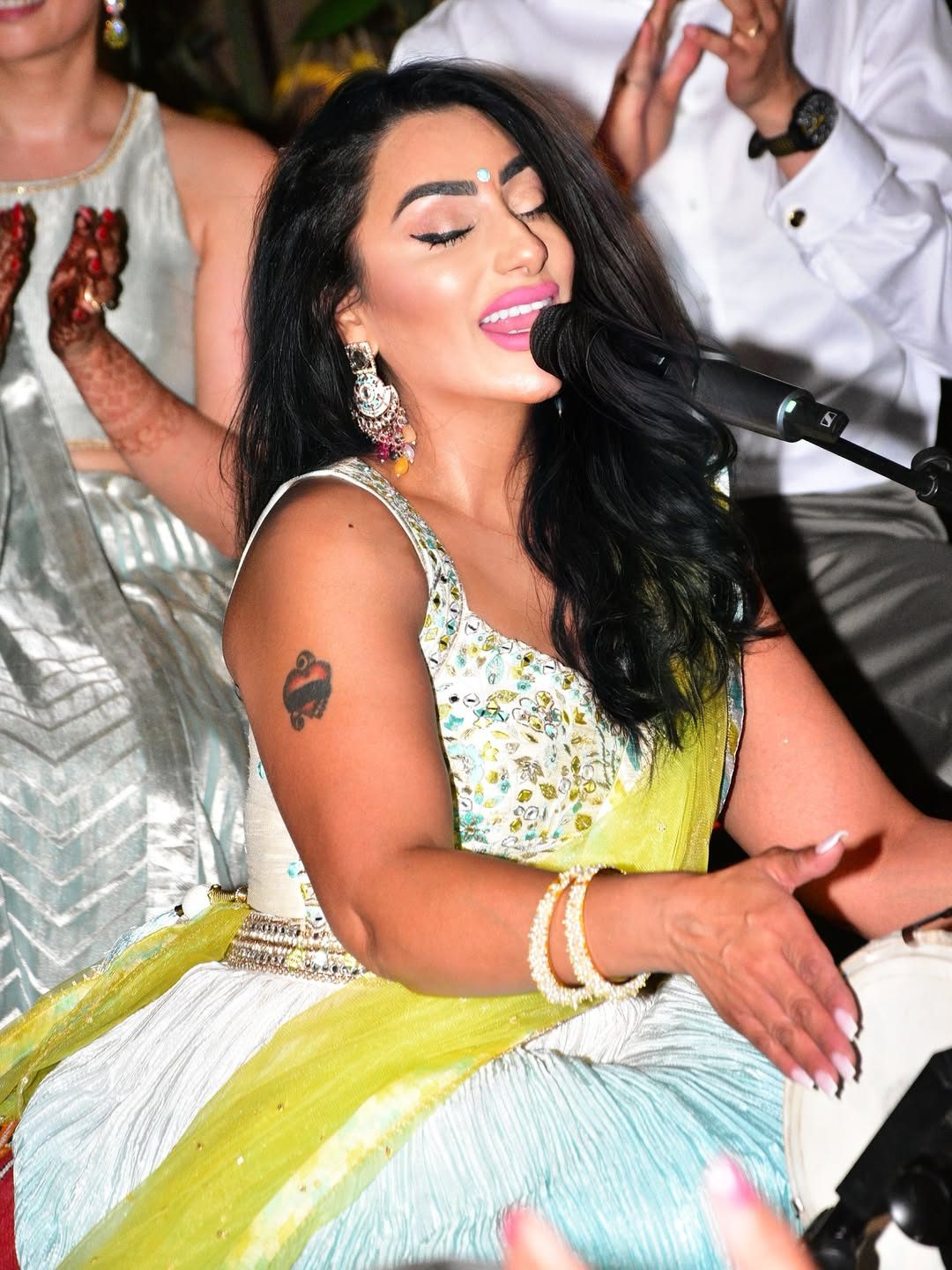
The Sangeet is the singing night, and the most performance-led of the pre-wedding events. It is built around singing, dholki and dancing, with the two families traditionally trading teasing boliyan. Traditionally women-only, though many families now run it mixed.
Of all the pre-wedding events, this is the one where booking live performers makes the biggest difference, because the entire evening is structured around music and participation.
Jago
The Jago is the most visually distinctive. Jago means “wake up”, and the ceremony involves a decorated copper pot fitted with lit candles, carried on the head of the bride’s or groom’s maternal aunt as the family processes, singing, dancing and traditionally waking the neighbourhood.
It is a moving, outdoor-leaning event, which is exactly why dhol suits it. A dhol is portable and loud, and it can lead a procession in a way a sound system cannot.
How to plan the music across all of them
The useful discipline is to plan the events together rather than one at a time. If the same guests attend several nights, the same songs should not come round twice. If you are booking performers for more than one event, say so up front — it lets the set lists be planned as a sequence.
As a rough guide: the Sangeet wants live singers, the Jago wants dhol, the Mehndi wants something sustained and atmospheric, and the Maiyan is family singing rather than a booking.
Ready to talk about your event?
Tell us the date, the venue and what you have in mind, and we will put together a bespoke quote.
Get a quote